Choosing bathroom tiles sets the tone of a space, influences durability, and affects maintenance. This guide outlines essential tile types, design tips, installation considerations, and care routines to help you pick tiles that endure and delight.
Tile Types for Bathrooms
Porcelain tiles
Porcelain is a dense, low-porosity option that performs well on floors and in wet zones. Its water resistance, strength, and wide range of finishes make it a preferred choice for showers, entryways, and high-traffic bathrooms. Look for a high PEI rating (a measure of wear) and a water absorption rate below 0.5% to ensure longevity.
Ceramic tiles
Ceramic tiles are versatile, lightweight, and typically more affordable than porcelain. They work well on walls and backsplashes, and can mimic stone or wood patterns. While durable, they are generally not as water-resistant as porcelain, so ensure proper grout and, in wet areas, use a compatible grout and sealing plan.
Natural stone tiles
Stone such as marble, travertine, or granite adds natural beauty and value. They require sealing, regular maintenance, and care to prevent staining and etching. Porous stones should be sealed upon installation and resealed periodically; they may require gentler cleaners to preserve their finish.
Glass tiles
Glass tiles create light reflection and modern appeal, often used in backsplashes and accent walls. They are non-porous and easy to clean, but may require a specialized installation process. Glass tiles can feel slippery on floors, so reserve them for walls or use textured alternatives where a floor option is needed.
Mosaic and specialty tiles
Mosaic sheets and specialty tiles offer design flexibility for borders, shower niches, and ceilings. They can add color, texture, and visual interest, but grout care increases with small-format tiles. When used in wet zones, choose non-slip layouts and ensure proper sealing where appropriate.
Design considerations for bathroom tiles
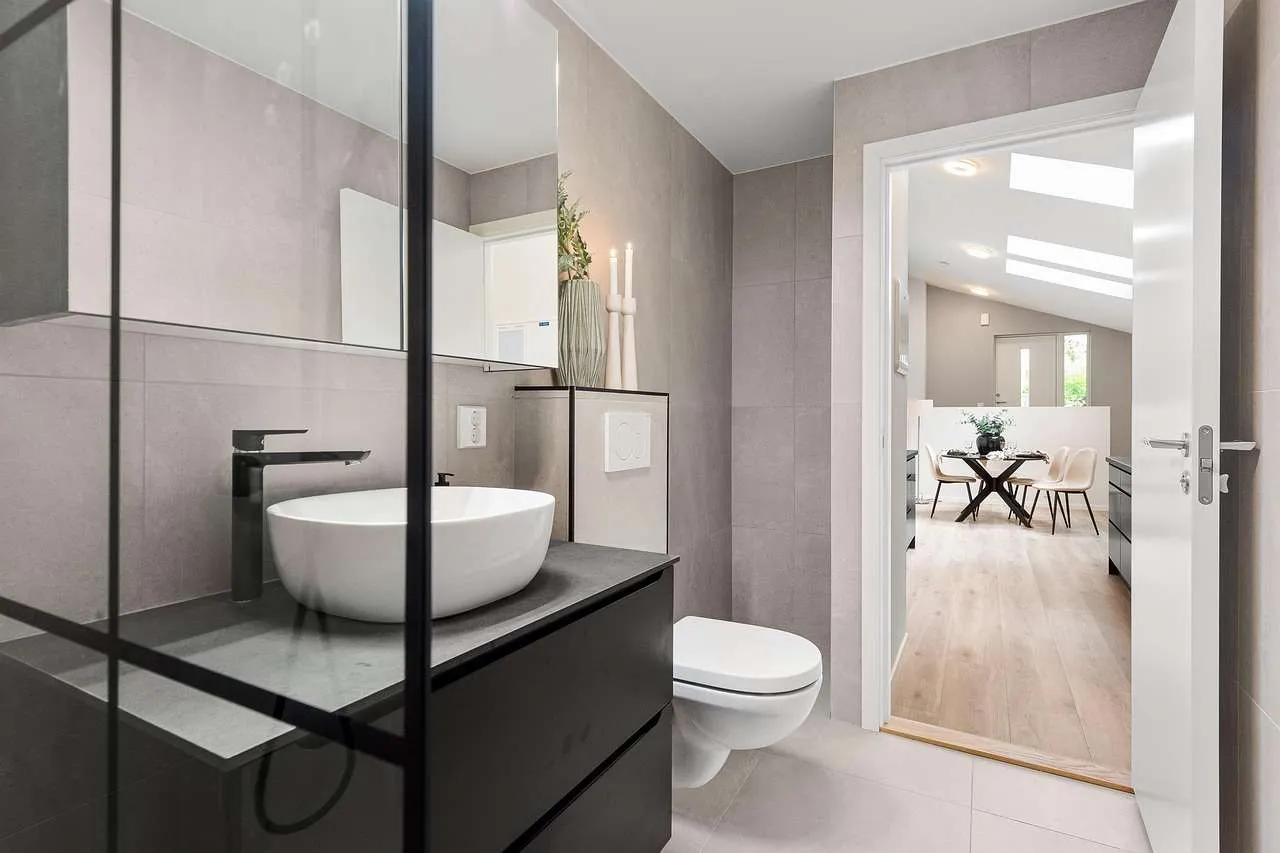
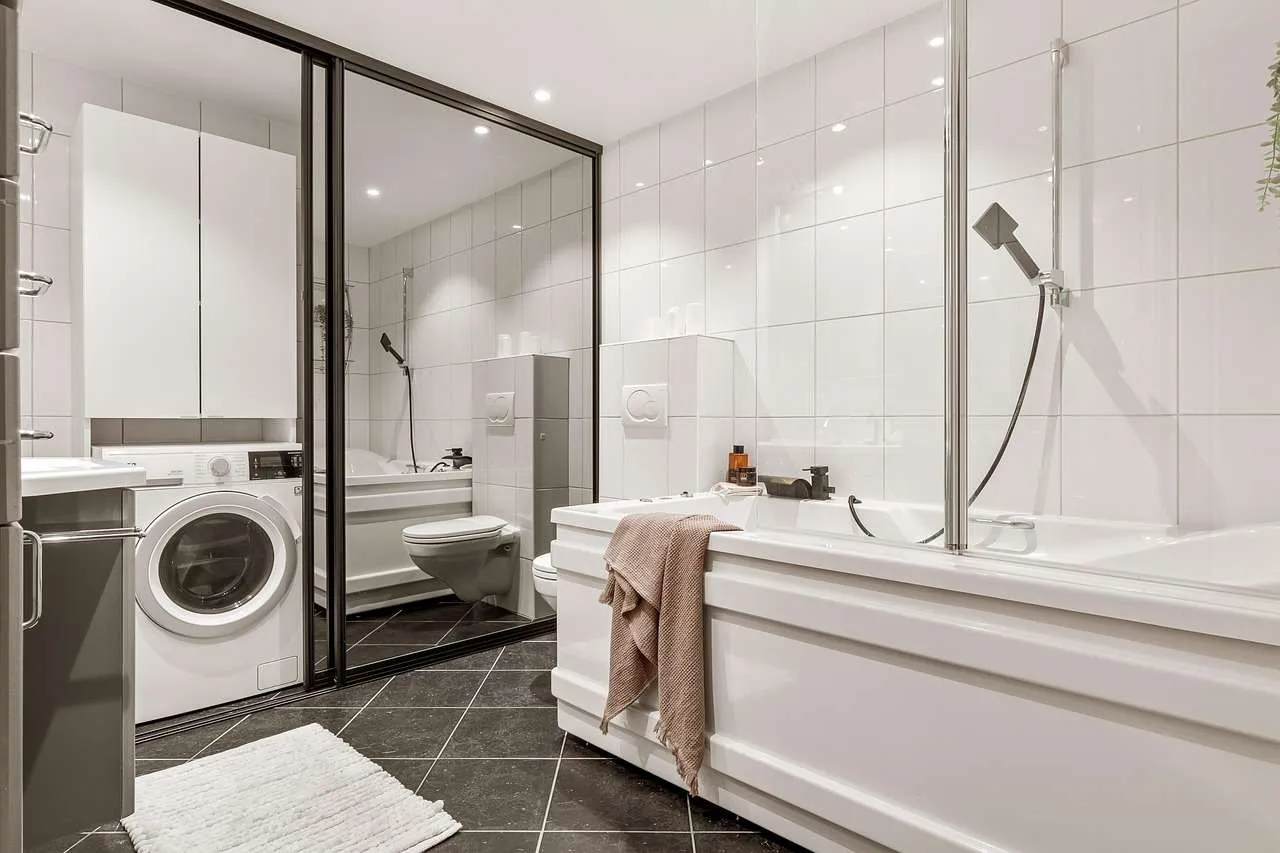
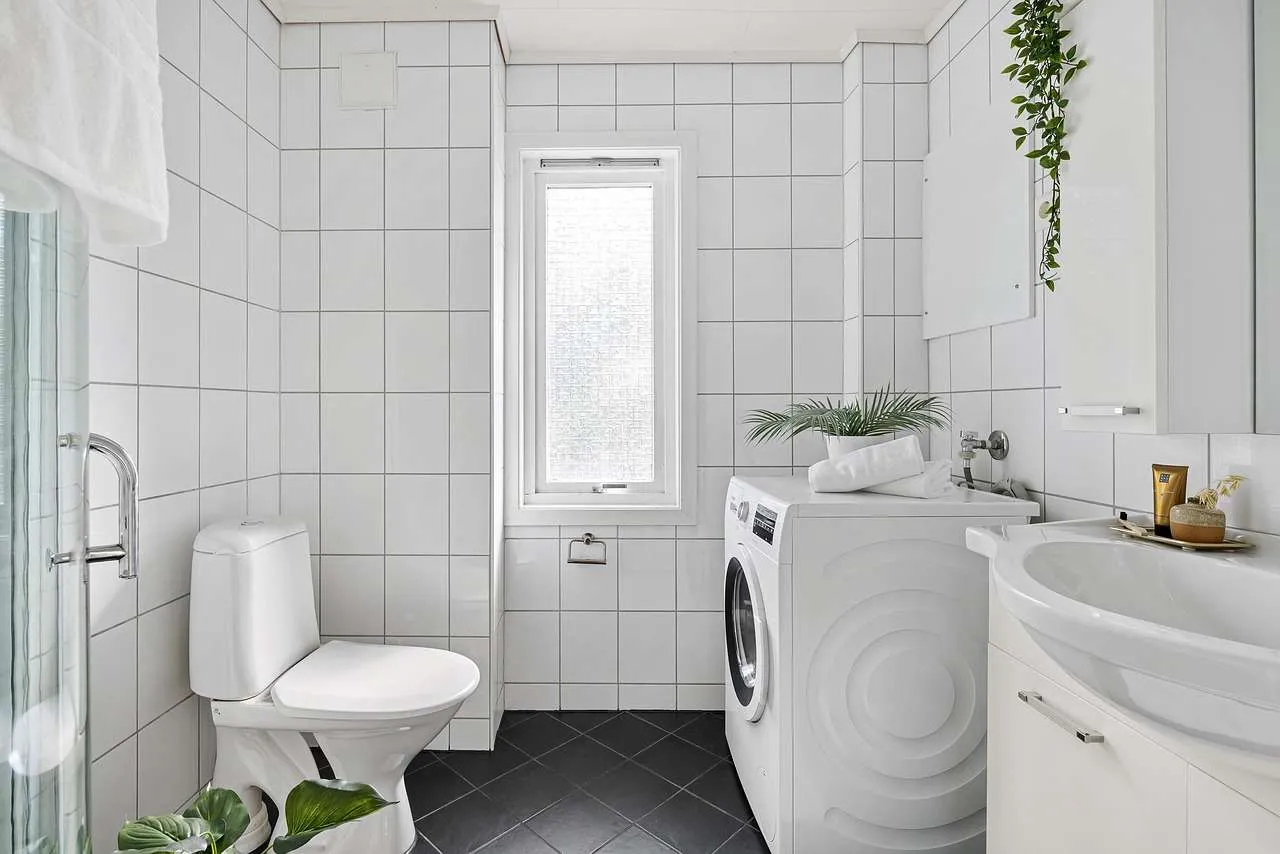
Tile size and layout have a big impact on feel and maintenance. Large-format tiles (such as 12x24 inches or larger) reduce grout lines, creating a cleaner look and easier cleaning. For small bathrooms, consider lighter colors and vertical patterns to visually expand the space. Color choices influence mood; cool tones feel spa-like, while warm tones create coziness. Grout color matters as well: matching grout can hide lines, while contrasting grout highlights patterns and adds character. For wet areas like showers, prefer porcelain or ceramic with slip-resistant textures and consider epoxy grout for superior water resistance and longevity.
Matching tile and fixture styles helps maintain coherence. If your bathroom has wood accents, you can pair tiles with wood-look porcelains for continuity without compromising moisture resistance. Lighting also changes how tile colors appear; test samples under your room’s lighting before committing.
Installation and maintenance considerations
Proper installation and waterproofing are essential for long-term performance. A waterproof membrane behind tiles in showers and tub surrounds prevents moisture from reaching the substrate. Choose a compatible backer board and ensure joints are properly prepared. For natural stone, plan for sealing and specialized cleaners to protect the surface. Routine maintenance includes daily wipe-downs in damp rooms, pH-neutral cleaners, and prompt attention to grout staining. Reseal porous stone every 1–2 years or as recommended by the tile manufacturer, and regrout when grout lines begin to wear or crack.
Grout maintenance is critical because grout is more porous than tile and can harbor stains or mold if neglected. Consider stain-resistant or epoxy grout in wet areas to minimize maintenance and improve durability. Professional installation is strongly recommended for complex layouts, large-format tiles, or intricate patterns to ensure proper alignment, brittle cut lines, and an even tile plane.
Costs, value, and long-term considerations
Tile costs vary by material, size, and installation complexity. Porcelain often sits in a mid-to-upper price range with durable performance, while ceramic is typically more budget-friendly for walls and backsplashes. Natural stone conveys luxury but has higher maintenance and sealing requirements. Glass tiles add visual impact but may cost more and require careful installation. When budgeting, consider not only the tile price but also substrate preparation, waterproofing, and professional installation. A well-chosen tile scheme can maintain appeal for years, supporting home value and satisfaction.
Comparison of common bathroom tile options
| Tile Type | Pros | Cons | Best Uses | Approx. Cost (per sq ft) |
|---|---|---|---|---|
| Porcelain | Very durable, low porosity, wide range of finishes | Can be harder to cut; installation may require skilled labor | Floors, showers, wet areas | 2–7 |
| Ceramic | Affordable, versatile, easy to cut | Less water-resistant than porcelain | Walls, backsplashes, dry areas | 1–5 |
| Natural Stone (Marble/Travertine) | Luxurious, unique patterns | Porous, needs sealing, higher maintenance | Accent walls, dry areas, low-traffic floors | 5–15 |
| Glass | Bright, reflective, modern look | Slippery on floors; brittle edges | Backsplashes, showers, accents | 7–20 |
| Mosaic/Specialty | Creative patterns, texture, detail | Grout maintenance; alignment challenges | Niches, borders, decorative walls | 5–12 |
Summary: The right bathroom tile choice balances function and aesthetics. Porcelain and ceramic offer durable, water-resistant options for floors and walls. Natural stone provides luxury with higher upkeep. Glass and mosaic tiles bring light and character but require careful installation and maintenance. Prioritize waterproofing, proper substrate preparation, and appropriate grout for longevity. When in doubt, consult a licensed tile installer or interior designer to translate your vision into a durable, easy-to-maintain bathroom space.
Conclusion, choosing the right combination of tile type, size, color, and grout can create a bathroom that stays beautiful for years while keeping maintenance practical and affordable.